Looking for an Everlane Alternative? Why Free Assembly Delivers the Same Quality at a Better Price
Everlane built a loyal following by proving that wardrobe essentials could be both beautifully simple and ethically made. But as prices climbed and availability tightened, many shoppers started asking whether that premium was still justified. Free Assembly emerged as an answer to that question—offering the same design ethos, similar material quality, and comparable transparency, all at a price point that makes elevated basics accessible to more people.
If you’ve been searching for an Everlane alternative that doesn’t compromise on fit, fabric, or values, this guide walks through what Free Assembly does differently and where the two brands overlap.
The Design Philosophy: Minimalism Without the Markup
Both brands reject trend cycles in favor of timeless cuts and neutral palettes. Everlane pioneered the idea that a crew-neck tee or a cashmere sweater didn’t need logos or seasonal gimmicks—it just needed to fit well and last. Free Assembly adopted that same principle, designing pieces that work across occasions and seasons without broadcasting their origin.
Where they diverge is pricing strategy. Everlane’s direct-to-consumer model reduces costs compared to traditional retail, but Free Assembly takes that further by leveraging Walmart’s supply chain scale. The result is a linen button-down or organic cotton cardigan that looks nearly identical in silhouette and hand-feel, priced 30–50% lower. That gap doesn’t come from cutting corners—it comes from volume and distribution efficiency.
Material Quality: Organic Cotton, Linen, and Responsible Wool
Everlane made transparency around materials a cornerstone of its brand, publishing factory details and fabric sourcing for nearly every product. Free Assembly follows a similar path, using Global Organic Textile Standard certified cotton, responsibly sourced linen, and traceable merino wool across its core lineup.
Fabric weight and finish are where most shoppers notice the closest parallels. A Free Assembly heavyweight tee uses the same 6–7 oz cotton jersey construction as Everlane’s premium tees, with reinforced shoulder seams and a pre-shrunk finish. The linen shirting—offered in both brands’ spring collections—comes from similar European mills, though Free Assembly blends it slightly differently to reduce wrinkling without adding synthetics. Pilling can still occur on knits with regular wear; our cardigan care guide covers how to manage that across any natural-fiber sweater.
Fit and Sizing: What to Expect When You Switch
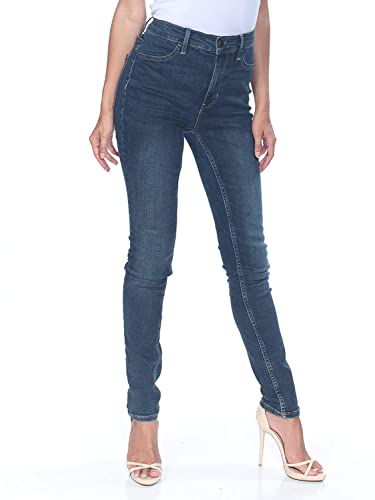
Everlane’s fits tend to run true to size with a slightly relaxed, modern silhouette. Free Assembly mirrors that approach in most categories—tees, button-downs, and knitwear use similar block patterns with minimal drape. Denim is where the two brands take slightly different directions.
Everlane emphasizes classic straight and slim fits with longer inseams. Free Assembly offers those, but also explores wider-leg silhouettes like the barrel jean, which sits higher on the waist and tapers gently from hip to ankle. If you’re comparing how those fits differ from a traditional straight leg, this fit breakdown walks through rise, leg opening, and styling considerations. Across the board, Free Assembly skews slightly more inclusive in size range, extending several styles into XXL and offering petite-length options in denim.
Transparency and Ethics: How the Two Brands Compare
Everlane’s Radical Transparency initiative set a new standard, listing factory locations, material costs, and markup breakdowns on product pages. Free Assembly doesn’t publish cost breakdowns in the same granular format, but it does disclose country of origin, primary material certifications, and factory compliance standards for most items.
Both brands prioritize fair labor practices and environmental impact reduction, though their scale and audit processes differ. Everlane works with a smaller network of vetted factories and conducts annual social compliance reviews. Free Assembly operates within Walmart’s broader responsible sourcing program, which covers wage standards, workplace safety, and chemical use restrictions across thousands of suppliers. The frameworks aren’t identical, but the outcomes—living wages, safe conditions, reduced water and pesticide use—align closely enough that shoppers motivated by ethics won’t find a dealbreaker in either direction.

Price and Value: Where the Savings Actually Come From
A typical Everlane organic cotton tee retails around $28–$35. Free Assembly’s equivalent runs $12–$18. That’s not a sale price or a quality compromise—it’s baseline pricing enabled by Walmart’s buying power and fulfillment infrastructure. The same gap holds across categories: cashmere sweaters, linen shirts, and ponte pants all land 40–60% lower without sacrificing the features that matter—pre-shrinking, reinforced seams, natural fibers.
The tradeoff isn’t in the garment itself but in the shopping experience. Everlane offers curated online browsing, detailed styling notes, and a high-touch return process. Free Assembly prioritizes accessibility—available in thousands of physical Walmart locations and online, with straightforward returns through any store. If you value the ability to try on basics in person before buying, Free Assembly actually wins that round.
Making the Switch: What to Try First
If you’re ready to explore Free Assembly as your go-to Everlane alternative, start with the category you buy most often—whether that’s tees, denim, or knitwear. The organic cotton crews and heavyweight tees are the closest direct comparisons, and they’re low-risk at under $20. From there, try a pair of jeans or a linen shirt to see how the fit and fabric hold up against what you already own.
The transition doesn’t require abandoning what you love about Everlane’s aesthetic or values. It’s simply recognizing that the same design principles, material standards, and ethical commitments can exist at a price point that makes elevated basics accessible to more people. Free Assembly proves that minimalism and transparency don’t have to come with a premium markup—they just have to be done right.
Common Questions When Comparing Everlane and Free Assembly
Yes, in the categories that matter most—fabric weight, construction details, and fiber sourcing. Both use organic cotton, responsibly sourced wool, and similar European linen mills. The stitching, seam reinforcement, and pre-shrink treatments are nearly identical. The price difference comes from scale and distribution, not from cutting corners on materials or workmanship.
Not in the same item-by-item cost breakdown format, but Free Assembly does disclose country of origin, primary certifications like GOTS for cotton, and compliance with Walmart’s responsible sourcing standards. The transparency framework is less granular but covers the same core concerns around labor, wages, and environmental impact.
Free Assembly is available both online and in most Walmart stores nationwide. That’s one area where it has an edge over Everlane—you can try on fits and feel fabrics in person before buying, and returns are as simple as walking into any store.
Free Assembly extends further into both directions. Several denim and pant styles come in petite inseams, and the upper size range goes beyond Everlane’s typical XL cap, with many items available through XXL or 2X. If inclusive sizing has been a barrier with Everlane, Free Assembly addresses that gap directly.
Most customers find that if they wear a medium in Everlane, they’ll wear a medium in Free Assembly. The silhouettes are similarly relaxed and modern. Denim fits can vary slightly—Free Assembly offers wider-leg and higher-rise options that Everlane doesn’t emphasize as much—but within each fit category, sizing runs true.
Free Assembly covers the same wardrobe basics that form the foundation of a work capsule—tailored trousers, ponte knit blazers, linen button-downs, and merino sweaters. The styling skews slightly more casual, but the pieces are polished enough for business-casual or creative office environments. Everlane may have a slight edge in dressier categories like wool coats, but for everyday office essentials, Free Assembly delivers.