
Free Assembly 800 Series vs 90s Straight Jeans: Which Fit Works for Your Body and Style?
Choosing between Free Assembly’s 800 Series and 90s Straight jeans often comes down to understanding how two very different denim philosophies translate to real-world wear. Both styles sit firmly in our core lineup, but they solve opposite problems.
The 800 Series prioritizes modern stretch and a contoured mid-rise fit, while the 90s Straight revives the relaxed, straight-leg silhouette that defined an entire decade. This Free Assembly jeans comparison walks through rise placement, leg taper, fabric composition, and styling versatility so you can match the right pair to your body type and daily routine.
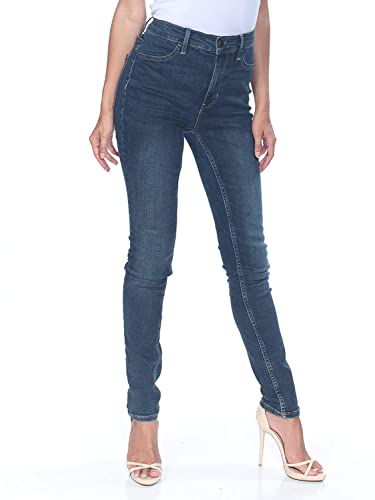
Rise and Waist Fit: Mid-Rise Contour vs High-Rise Vintage
The 800 Series sits at a true mid-rise—roughly 9.5 inches from crotch seam to waistband—and uses a slightly curved waistband to follow the natural dip at the small of your back. That shaping prevents gapping when you sit and keeps the waistband flush without a belt.
The Free Assembly 90s Straight Jeans land closer to 10.5 inches and run straighter across the back, which mirrors the high-waisted, less-contoured construction common in vintage denim. If you prefer jeans that hit at or just above your navel and don’t rely on curve-hugging shaping, the 90s Straight delivers that authentic throwback feel.
Waist sizing between the two remains consistent, but the higher rise on the 90s Straight means you may want to size down if you’re between numbers—extra rise can translate to extra fabric at the waist when you don’t need it.
Leg Shape and Taper: Slim Straight vs True Straight
From hip to hem, the 800 Series narrows gently—about 1.5 inches of taper from knee to ankle—creating a slim-straight profile that still leaves room through the calf. The opening measures around 13.5 inches in a size 6, which works with sneakers, loafers, or ankle boots without bunching.
The 90s Straight maintains nearly the same width from thigh to hem, with a 14.5-inch leg opening in the same size. That consistency produces the column-like silhouette vintage enthusiasts recognize, and it pairs especially well with chunky footwear or a cropped hemline that shows off the ankle.
If your style leans toward streamlined layers and tucked-in tops, the 800 Series’ subtle taper complements that balance. If you layer oversized sweaters or prefer a looser overall proportion, the 90s Straight’s wider leg keeps things visually grounded.
Fabric Composition and Stretch Recovery
The 800 Series blends 79% cotton, 20% polyester, and 1% elastane, delivering moderate four-way stretch that moves with you through a full squat or a long commute. The polyester core adds durability and helps the fabric snap back after wear, so the knees don’t bag out by midday.
The 90s Straight uses 99% cotton and 1% elastane—just enough stretch to prevent that rigid, cardboard feel of pure cotton but not enough to change the fabric’s hand or drape. According to the Wikipedia entry on denim, traditional denim relied entirely on cotton’s natural give, and this blend stays closer to that heritage while accommodating modern movement.
Both fabrics hold color well through repeated washes, but the higher cotton content in the 90s Straight will fade more noticeably over time if that’s the worn-in look you’re after. The 800 Series stays truer to its original shade longer.

Styling Versatility and Wardrobe Pairing
The Free Assembly 800 Series Women’s Jeans work across casual-to-polished contexts—tucked blouses, cropped jackets, and streamlined knitwear all sit cleanly against the mid-rise and slim taper. The stretch fabric also means they pack well and recover from a day of travel without wrinkling.
The 90s Straight thrives in relaxed, proportionally-balanced outfits: oversized button-downs, boxy tees, and slouchy cardigans echo the jean’s looser leg without overwhelming it. The higher rise naturally accommodates tucked or half-tucked tops, and the straight leg creates visual length when paired with heeled boots or platform sneakers.
For those exploring other silhouettes in our lineup, the Free Assembly Wide Leg Jeans offer even more drape and volume, while the Free Assembly Barrel Jeans deliver a curved, tapered leg that sits between the two fits discussed here.
Neither style demands a specific body type, but understanding your usual top silhouette helps narrow the choice. If you default to fitted or semi-fitted tops, the 800 Series balances that neatly. If your wardrobe skews oversized or layered, the 90s Straight complements that proportion without competing.

Sizing Considerations and Length Options
Both styles run true to size through the waist and hips, but the difference in rise affects overall fit. If you typically wear a size 8 in mid-rise jeans and prefer a snug fit, stick with an 8 in the 800 Series. For the 90s Straight, consider sizing down to a 6 if you want the waistband to sit firmly at your natural waist without any gapping.
Inseam options for both include 28, 30, and 32 inches, which covers petite through tall proportions. The 800 Series’ slight taper means the 28-inch inseam hits right at the ankle bone on most frames, creating a cropped look. The 90s Straight’s wider leg opening in the same inseam reads as a true cropped jean, ending just above the ankle with more visual weight.
Brands like Truth by Republic also explore vintage-inspired denim cuts, but Free Assembly’s approach focuses on accessibility and everyday wearability rather than archive-level recreation. Both of our fits adapt period silhouettes to contemporary fabric technology and production standards.
Choosing the Right Free Assembly Jean for Your Needs
The 800 Series suits those who prioritize stretch, a modern slim-straight silhouette, and versatile styling across multiple dress codes. Its contoured mid-rise and moderate taper make it a reliable everyday option that transitions from casual to polished without adjustments.
The 90s Straight appeals to anyone seeking an authentic high-waisted, straight-leg shape that echoes vintage denim without sacrificing wearability. Its minimal stretch and wider leg opening work best in relaxed, proportion-focused outfits where the jean anchors rather than conforms.
Neither style is inherently better—your choice hinges on whether you value adaptable stretch and streamlined proportions or prefer the structure and visual weight of a true straight leg. Both fits remain core to our lineup because they solve different wardrobe needs, and understanding those differences ensures you walk away with the pair that actually works for your body and daily routine.
Common Questions About Free Assembly 800 Series and 90s Straight Jeans
The 800 Series offers significantly more stretch due to its 20% polyester and 1% elastane blend. The 90s Straight uses 99% cotton with just 1% elastane, giving it a firmer hand and less recovery after wear.
If comfort through movement is your priority, the 800 Series adapts better to sitting, squatting, and active days. If you prefer denim that holds its shape and feels closer to traditional cotton, the 90s Straight delivers that.
Waist and hip measurements align across both styles, but the higher rise on the 90s Straight can create the illusion of extra room at the waist if you’re used to mid-rise fits. The leg opening is also about an inch wider on the 90s Straight, which adds visual volume.
If you’re between sizes, size down in the 90s Straight to prevent gapping at the back waistband. The 800 Series typically works best at your usual denim size.
Both styles cuff cleanly, but the result looks different. The 800 Series’ slimmer leg opening creates a narrow, tailored cuff that sits close to the ankle. The 90s Straight’s wider opening produces a chunkier, more pronounced roll that echoes the original 90s styling.
For a subtle, streamlined cuff, stick with the 800 Series. For a statement roll that pairs with chunky sneakers or boots, the 90s Straight is the stronger choice.
The 90s Straight’s higher cotton content means it will develop vintage-style fading and whiskering more quickly than the 800 Series. Cotton naturally loses dye with each wash cycle, especially in high-friction areas like the knees and seat.
The 800 Series’ polyester blend holds color longer and resists fading, so it maintains a more uniform appearance over time. If you want that worn-in look to develop naturally, the 90s Straight accelerates the process.
Both styles offer 28-, 30-, and 32-inch inseams, covering petite through tall proportions. Petite wearers often prefer the 28-inch inseam in either style, which hits at the ankle without dragging. Tall frames typically reach for the 32-inch option.
The 800 Series’ taper can make shorter inseams look intentionally cropped, while the 90s Straight’s wider leg reads as a full-length jean even in the 28-inch option. Try both inseams if you’re on the border between two lengths.
Apple shapes—where weight concentrates around the midsection—often prefer the 800 Series’ contoured waistband and moderate stretch, which smooths without digging in. The mid-rise also sits comfortably below the natural waist.
Pear shapes—wider through the hips and thighs—benefit from the 90s Straight’s roomier thigh and straight leg, which balances proportions without clinging. The higher rise also provides more coverage and support through the hip area.